This Grosvenor Atterbury-Designed Connecticut Castle Is Listed for $2.85 Million
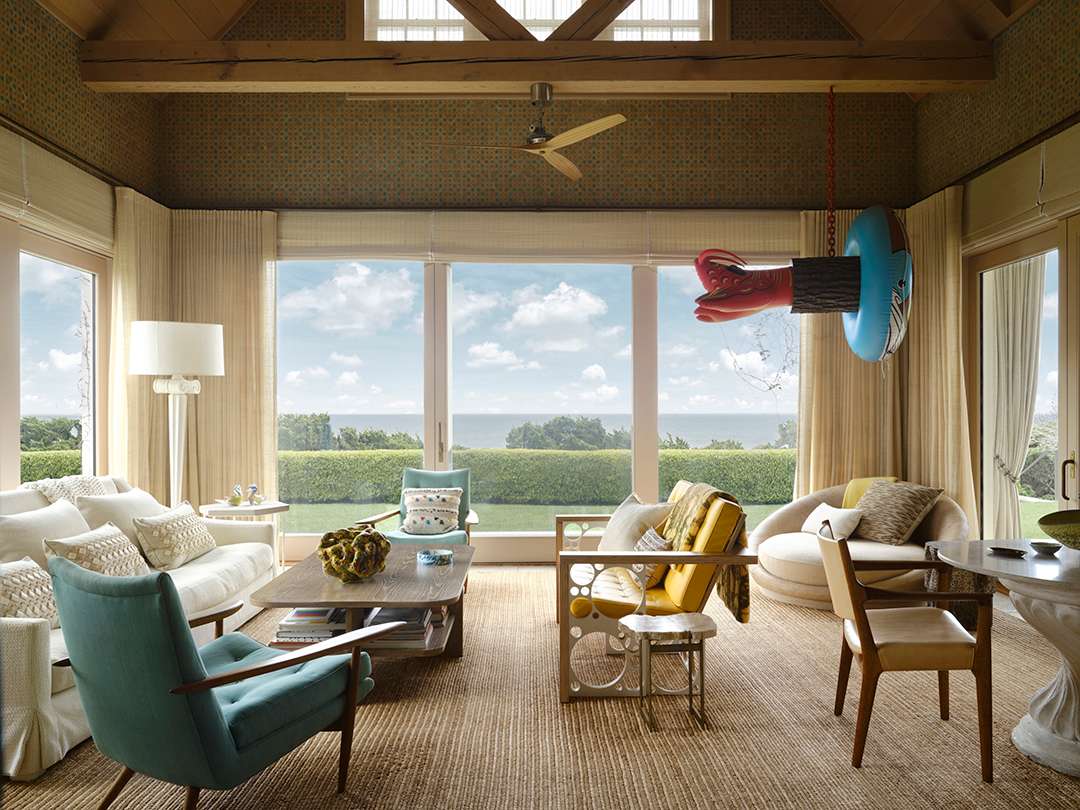
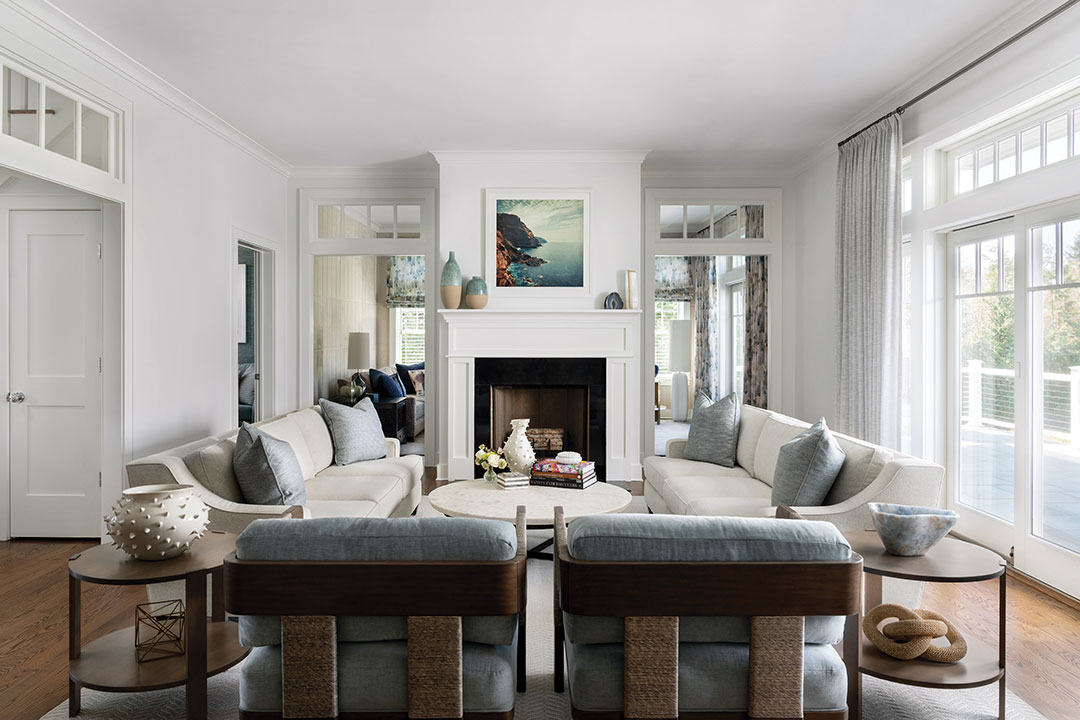
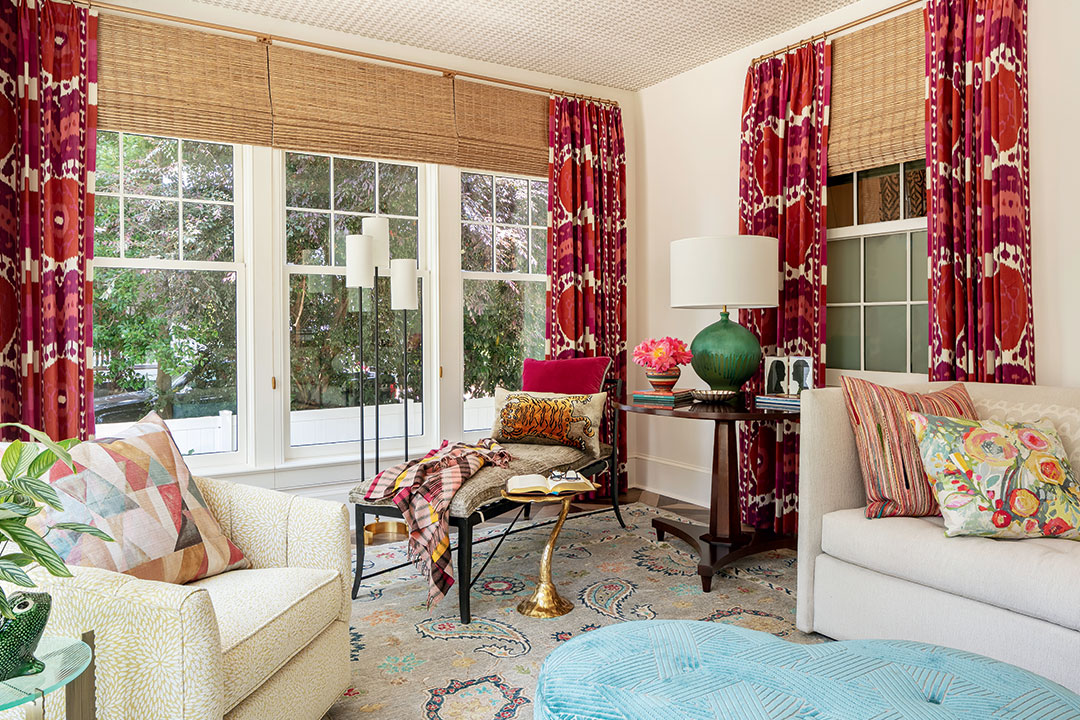
The interiors of the 6,087-square-foot castle underwent a multimillion-dollar renovation.


Subscribe

Subscribe

Subscribe

Subscribe
The interiors of the 6,087-square-foot castle underwent a multimillion-dollar renovation.
It just emerged on the market for the first time in decades.
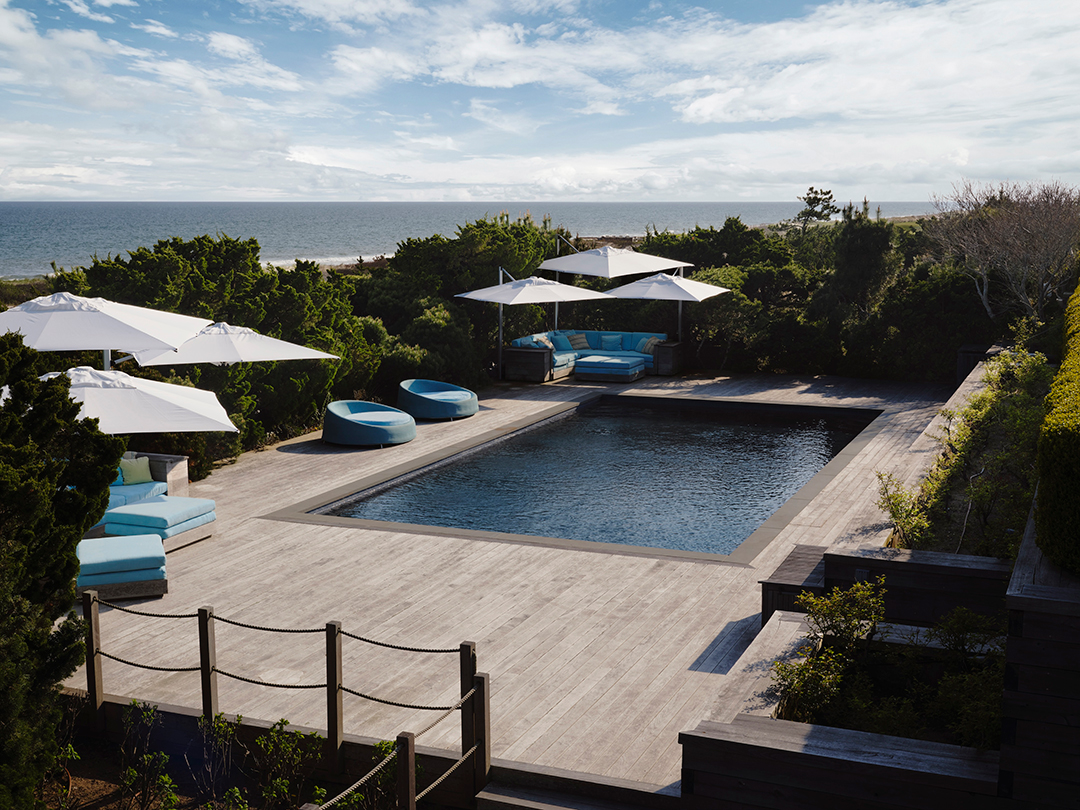
Located on three-acres of land, guests had the opportunity to tour property, view the proposed renovation plans for this historic house designed by world-renowned architect Grosvenor Atterbury.
The stress often associated with owning a second or even a third or fourth home doesn’t faze Michael Bruno in the least. He already owns a venerable house in Tuxedo Park and a New York apartment, but when a Grosvenor Atterbury mansion became available last year on Coopers Neck Lane, Bruno and his partner, Alexander Jakowec, couldn’t resist.
The stress often associated with owning a second or even a third or fourth home doesn’t faze Michael Bruno in the least. He already owns a venerable house in Tuxedo Park and a New York apartment, but when a Grosvenor Atterbury mansion became available last year on Coopers Neck Lane, Bruno and his partner, Alexander Jakowec, couldn’t resist.
The shingle style is by far the overriding architectural vernacular of the Hamptons, and no one executed it better than Francis Fleetwood. With his death in May, the prolific East Hampton–based Fleetwood joins the growing pantheon of notable East End architects, from Grosvenor Atterbury to Norman Jaffe and Charles Gwathmey, who have left their mark on the South Fork.
Interior designer Deborah Heimowitz creates a casually eclectic home in a 1911 carriage house designed by Grosvenor Atterbury.
Interior designer Deborah Heimowitz creates a casually eclectic home in a 1911 carriage house designed by Grosvenor Atterbury.
When people talk about monumental Hamptons deals this year, Dune Cottage will undoubtedly come up.
Currently one of the most expensive properties for sale in the Hamptons, Dune Cottage was built in 1910 as a part of the vast Wiborg Estate.
Grand mansions of the Gilded Age inspired this new residence by Burr Salvatore Architects.
“We had a few projects that took us to the Hamptons, and I loved the area and the work, so I endured the long trip.”
Depending on whom you ask, it’s both the best and the worst of times for Hamptons real estate. Yes, there’s certainly everything before us, but we had better be careful to preserve it before, as Dickens might have said, we have nothing before us. Take Coopers Neck Lane in Southampton and Daniels Lane in Sagaponack.
Looking for the newest up-and-coming neighborhood? Go east, young man—but not the East Village or the Lower East Side. Formerly stodgy Yorkville is now the coolest kid on the block. Yorkville? Yes, the area from Third Avenue to the East River between 79th and 96th streets will soon be filled with the rumbling of the Second Avenue subway—and increased real estate prices, no doubt. The enclave has always been popular with families—especially those with children at Chapin, Brearley, the Town School, and P.S. 158—and outdoorsy types who appreciate the greenery of Carl Schurz Park.
From New York City to Westchester County and the Hamptons, we’ve covered the last of 2012’s most exclusive real estate deals.
At $65 million, Robert Hurst’s 11,700-square-foot compound in Sagaponack is setting a new high-water mark in Hamptons real estate.
Realism first put the Hamptons on the art map in the late 1800s. Southampton became the destination of choice for aspiring artists, thanks to William Merritt Chase and the Shinnecock Hills Summer School of Art, for which Chase created the Art Village.
Tim O’Brien takes a
historic summer cottage off the endangered list