


Time to start thinking about filling in that gap in the landscape or terrace. Here are our top choices of trees that work in tight spots—and some for pots, as well. Pick one, or a threesome, to bring new life to your garden.
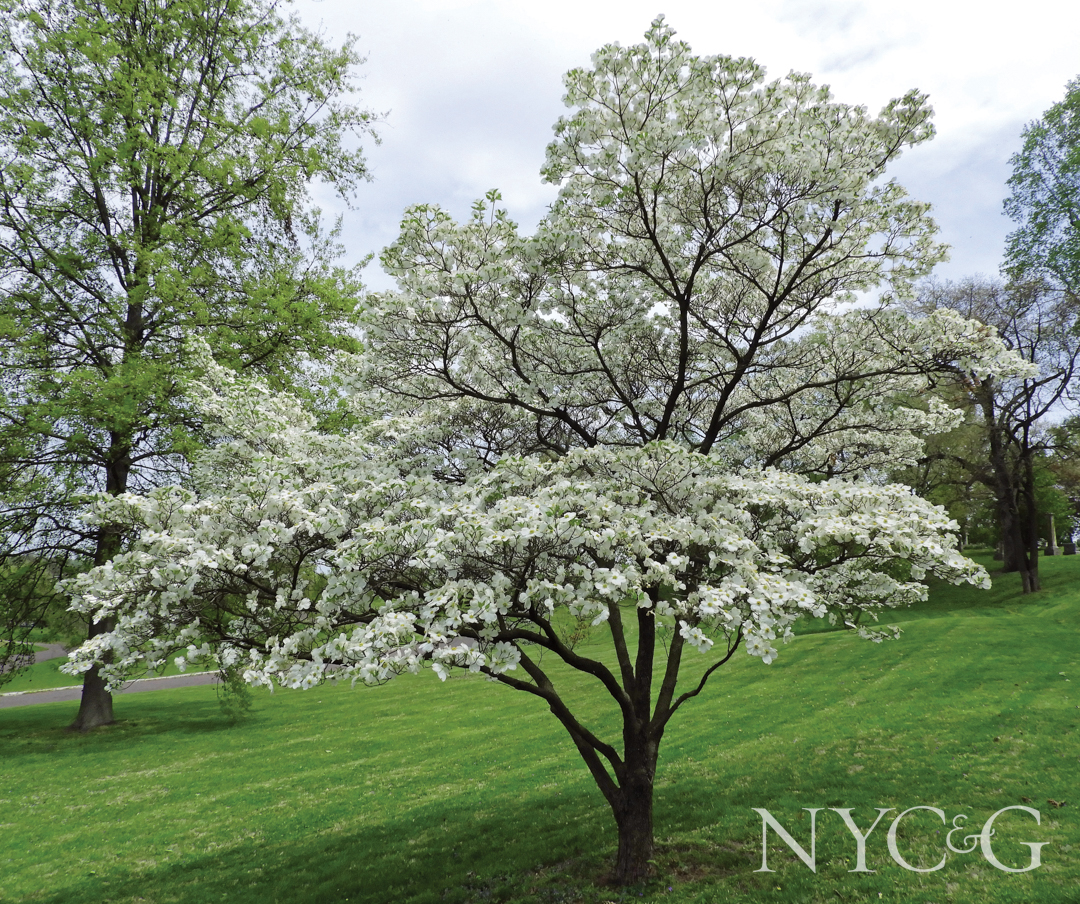
FLOWERING DOGWOOD
(Cornus florida ‘Evereste’)
Zones: 5–9
Height: 20–40 feet; width: 20 feet
Although native to the Eastern United States and parts of Canada and Mexico, the American dogwood has a slightly Asian appearance due to its delicate horizontal nature. The true flowers that are tiny and green are surrounded by showy white or pink bracts that bloom in the early spring. The bright red hard-skinned fruits in the autumn are technically drupes. Although they don’t produce fruits, the “Stellar” series developed at Rutgers University are resistant to anthracnose and dogwood borer.
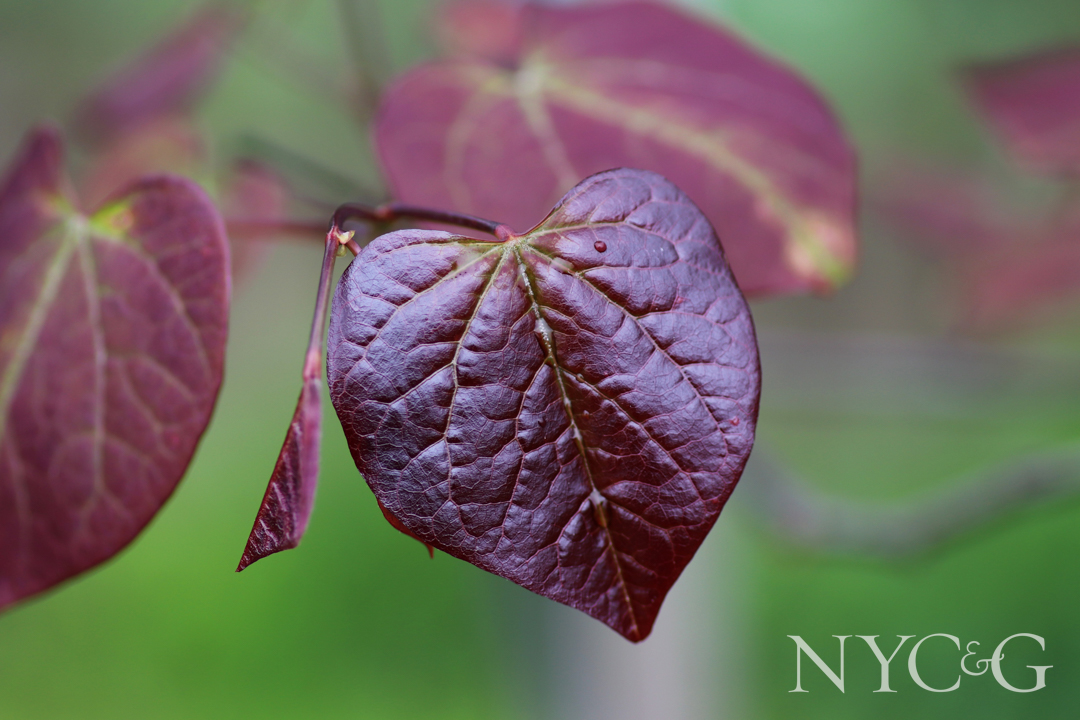
FOREST PANSY REDBUD
(Cercis canadensis ‘Forest Pansy’)
Zones: 5–9
Height: 20–30 feet; width: 25–30 feet
The heart-shaped leaves of this cultivar are an attractive purple that turns shades of reddish-purple and orange in the fall. The tiny flowers are bright fuchsia and cover the dark stems of the leafless tree in the early spring.

WINTER KING HAWTHORN
(Crataegus viridis ‘Winter King’)
Zones: 4–7
Height: 20–30 feet; width: 20–30 feet
Despite the name, this variety of hawthorn doesn’t have too many thorns. It’s a great native tree that grows well in full sun to light shade. Clusters of small, fragrant white flowers clothe the tree in the spring and attract nectar bees and butterflies. Meanwhile, the orange-red fruit in the winter are a spectacular complement to the gray bark that peels off to reveal orange bark.
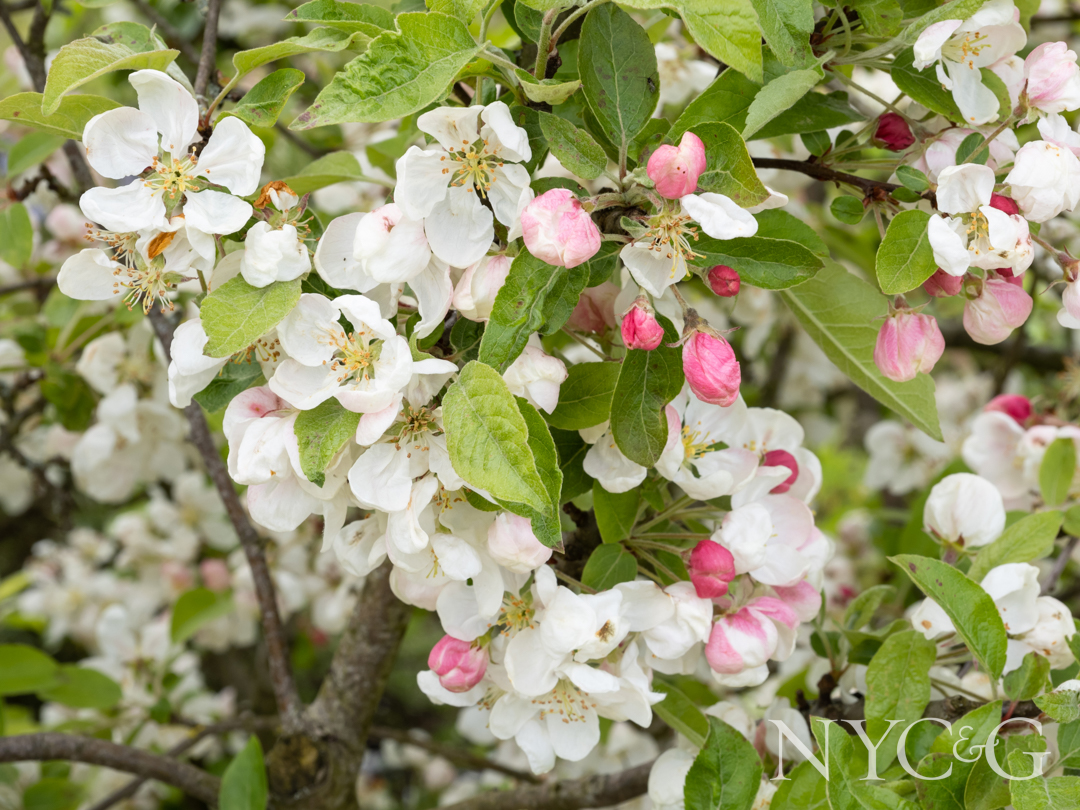
EVERESTE CRABAPPLE
(Malus domestica ‘Evereste’)
Zones: 4
Height: 16 feet; width: 13 feet
Currently, Evereste—a French-bred crabapple—is the most disease resistant, meaning you won’t have to spray and coddle it. Gorgeous big flowers in the springtime lead to 1- to 1 1⁄2-inch crabapples in the fall. The fruits are persistent, so if you don’t harvest them for chutney or jelly, the birds will be happy as winter approaches.
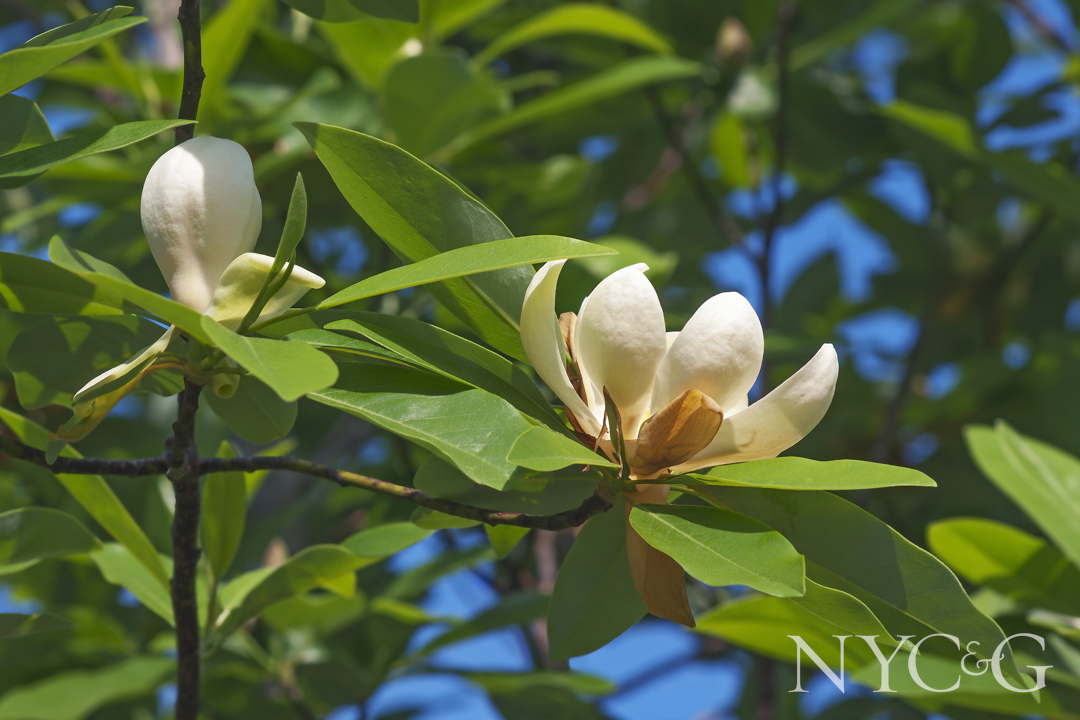
SWEETBAY MAGNOLIA
(Magnolia virginiana)
Zones: 5–7
Height: 25–35 feet; width: 25–35 feet
The lemon scent alone on the ivory-colored blossoms makes this tree worth planting. Add the fluttery leaves that have pale gray undersides, and you have a stellar native tree. It’s worth looking for some of the newer semi-evergreen varieties that really do keep their leaves though the winter.
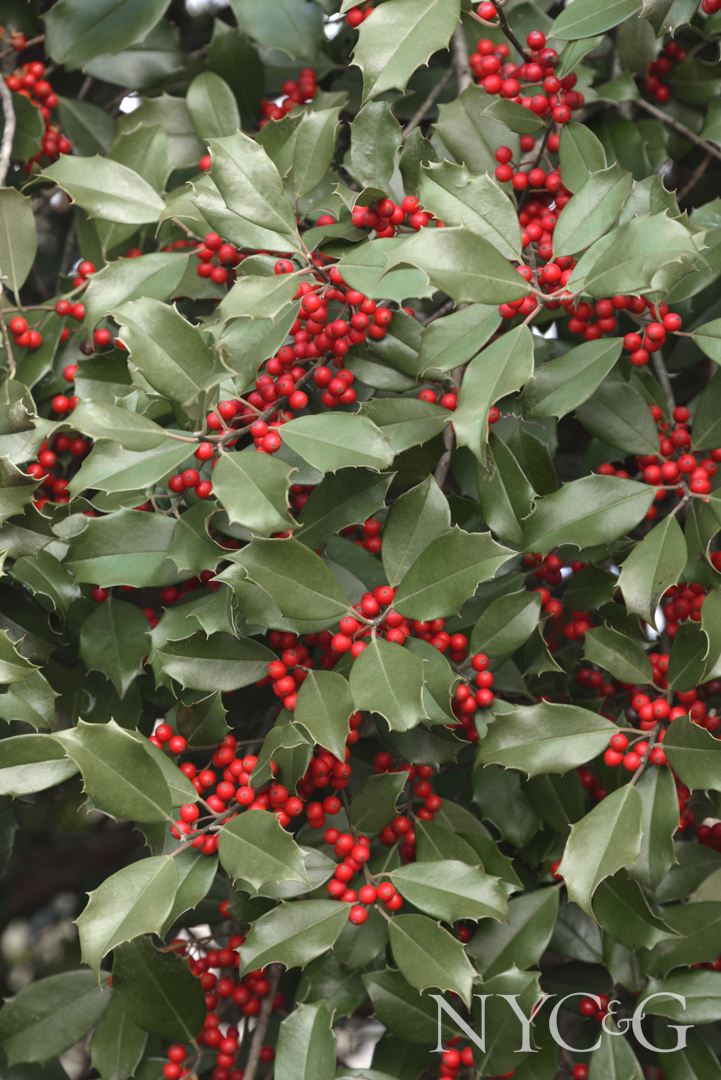
AMERICAN HOLLY
(Ilex opaca)
Zones: 5–9
Height: 15–30 feet; width: 10–20 feet
A slow-grower, but wildly useful, as holly trees can be left natural, as specimen, pruned into a delightful topiary shape, or used as a hedge. Don’t forget, the bright red berries of the females are brought about by having a male holly nearby.
Grow Tips
• Buy younger, small trees: They have less transplant shock and start growing quickly.
• Dig a square hole if the tree comes in a round container, so the roots don’t continue circling.
• Cover the trunks of the trees in the autumn with burlap or wire fencing to protect from deer.
• Water your newly planted trees regularly, at least for the first growing season.
• Give lawn mowers wide berth around the trees, so they don’t damage the trunks.
